Maria Spyrou
Researcher
Institute for Archaeological Sciences, Department of Geosciences, University of Tübingen, Germany
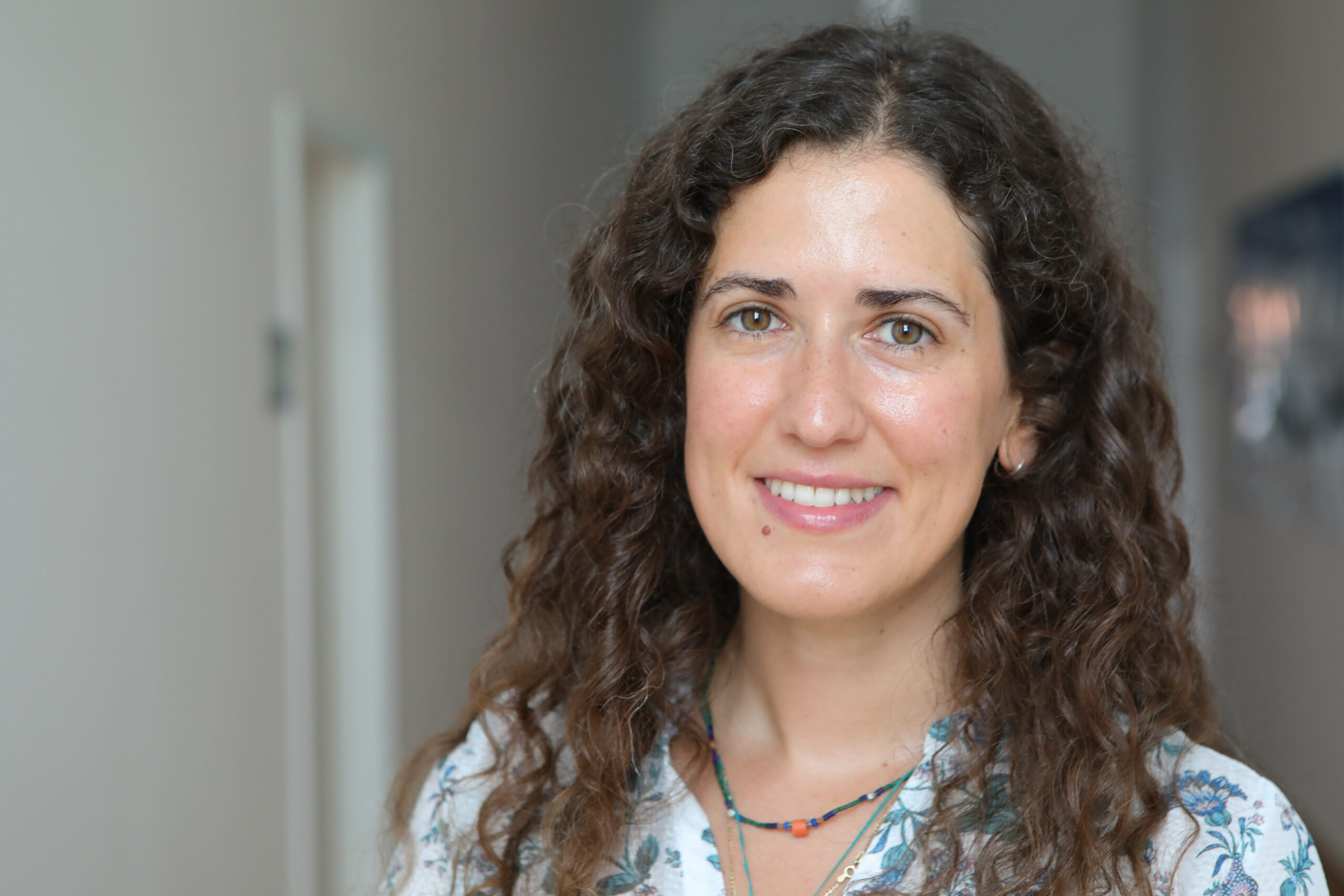
Researcher Profile
I am a junior professor of Microbial Archaeogenomics at the University of Tübingen, Institute for Archaeological Sciences, where I conduct interdisciplinary research at the intersection of genetics, archaeology, and infectious disease history. My work integrates biomolecular methods with archaeological and historical evidence to better understand how pathogens have influenced human populations across time. My group focuses on the evolution and deep history of infectious diseases through ancient pathogen genomics. We apply state-of-the-art methods in ancient DNA (aDNA) extraction, targeted enrichment, and high-throughput sequencing to recover and reconstruct pathogen genomes directly from archaeological human remains. By combining genomic, archaeological, and anthropological data, we investigate patterns of pathogen emergence, diversification, spread, adaptation, and persistence. Our broader goal is to explore how epidemics and pandemics have shaped demographic processes, mobility, and socio-cultural change from prehistory to more recent historical periods. A central focus of my research has been the plague bacterium Yersinia pestis, particularly its origins and early evolution during the Late Neolithic and Bronze Age, as well as its role in later pandemics such as the Justinianic plague and the Black Death. Since 2024, I have been leading a European Research Council Starting Grant (PROTOPEST), which investigates the role of epidemic outbreaks in socio-cultural transformations during the Bronze Age and beyond.